Intimate Photography
by Krisleen Jones
BLOG
The Origins of the Winter Solstice: Why Humans Have Honored the Darkest Day for Thousands of Years
The Origins of the Winter Solstice: Why Humans Have Honored the Darkest Day for Thousands of Years
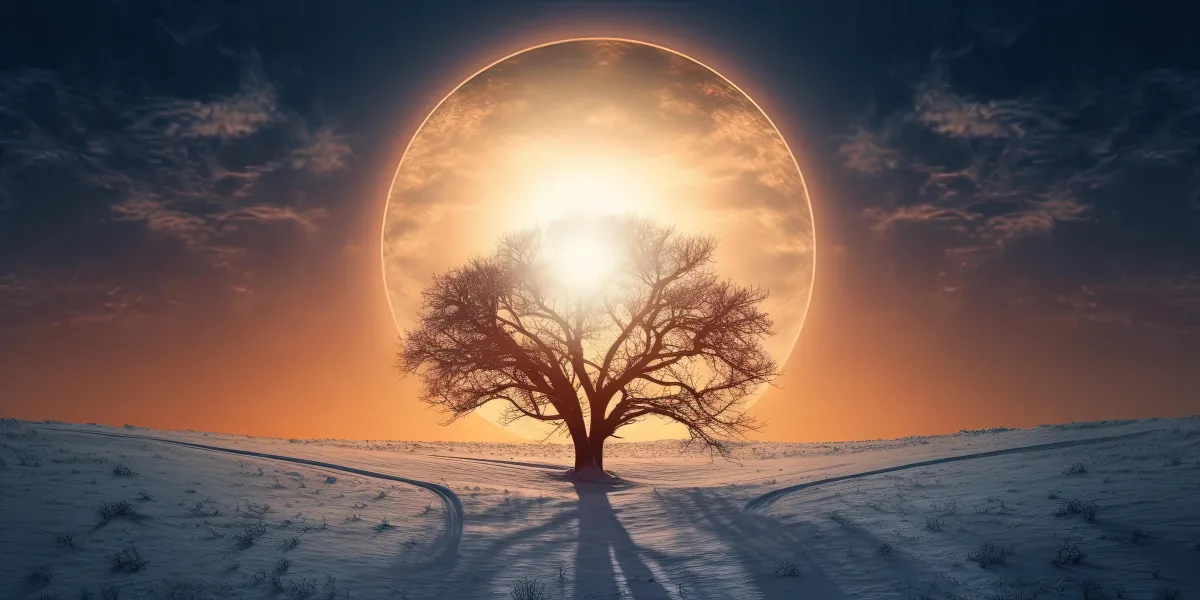
Every year in late December, we reach a quiet turning point known as the winter solstice—the shortest day and longest night of the year in the Northern Hemisphere. While today it may pass unnoticed for some, for ancient civilizations this day was sacred, powerful, and deeply meaningful.
Long before calendars, clocks, or modern religion, humans tracked the sun with astonishing precision. The winter solstice wasn’t just an astronomical event—it was a promise of survival, a reminder that even in the deepest darkness, light always returns.
The Astronomical Beginning
The winter solstice occurs when the Earth’s axis tilts farthest away from the sun. On this day, the sun rises at its southernmost point in the sky, resulting in the fewest daylight hours of the year.

To early humans, this moment mattered profoundly. As the days grew shorter, food became scarce, temperatures dropped, and survival was uncertain. When the sun finally “stood still” in the sky and then began to return, it signaled hope—the slow rebirth of warmth, growth, and life.
In fact, the word solstice comes from the Latin solstitium, meaning “sun stands still.”
Honoring the Solstice Before Written History
Archaeological evidence shows that people honored the winter solstice over 10,000 years ago—long before organized religion.

Ancient monuments around the world were carefully aligned with the solstice sun:
Newgrange in Ireland, the oldest of those we are going to talk about, built over 5,000 years ago (it is older than Stonehenge), at sunrise, sunlight enters through a specially designed opening above the entrance and illuminates the inner chamber for about 17 minutes.

Stonehenge in England aligns with both summer and winter solstices. The focus was on the summer solstice in the beginning. The sun rises over the Heel Stone. It is believed that in later phases of Stonehenge’s use that the winter solstice became the more focused solstice when the sun sets sun sets between the largest trilithons.

The Great Pyramid of Giza The pyramid contains shafts that point to specific stars, The southern shaft from the King's Chamber was aligned to Orion's Belt (associated with Osiris, god of the afterlife). The northern shaft from the King's Chamber pointed toward Alpha Draconis (Thuban), which was the pole star around 2500 BCE. Similar shafts from the Queen's Chamber pointed to Sirius (associated with Isis) and other stars in the northern sky. While the pyramid itself doesn't dramatically frame solstices like Stonehenge, its precise east-west alignment means the sun rises due east along the pyramid's face during the equinoxes. On the spring and fall equinoxes, the sun rises due east and sets due west. Because the pyramid's sides are aligned almost perfectly to the cardinal directions, the sun rises directly along the eastern face and sets along the western face on these two days.

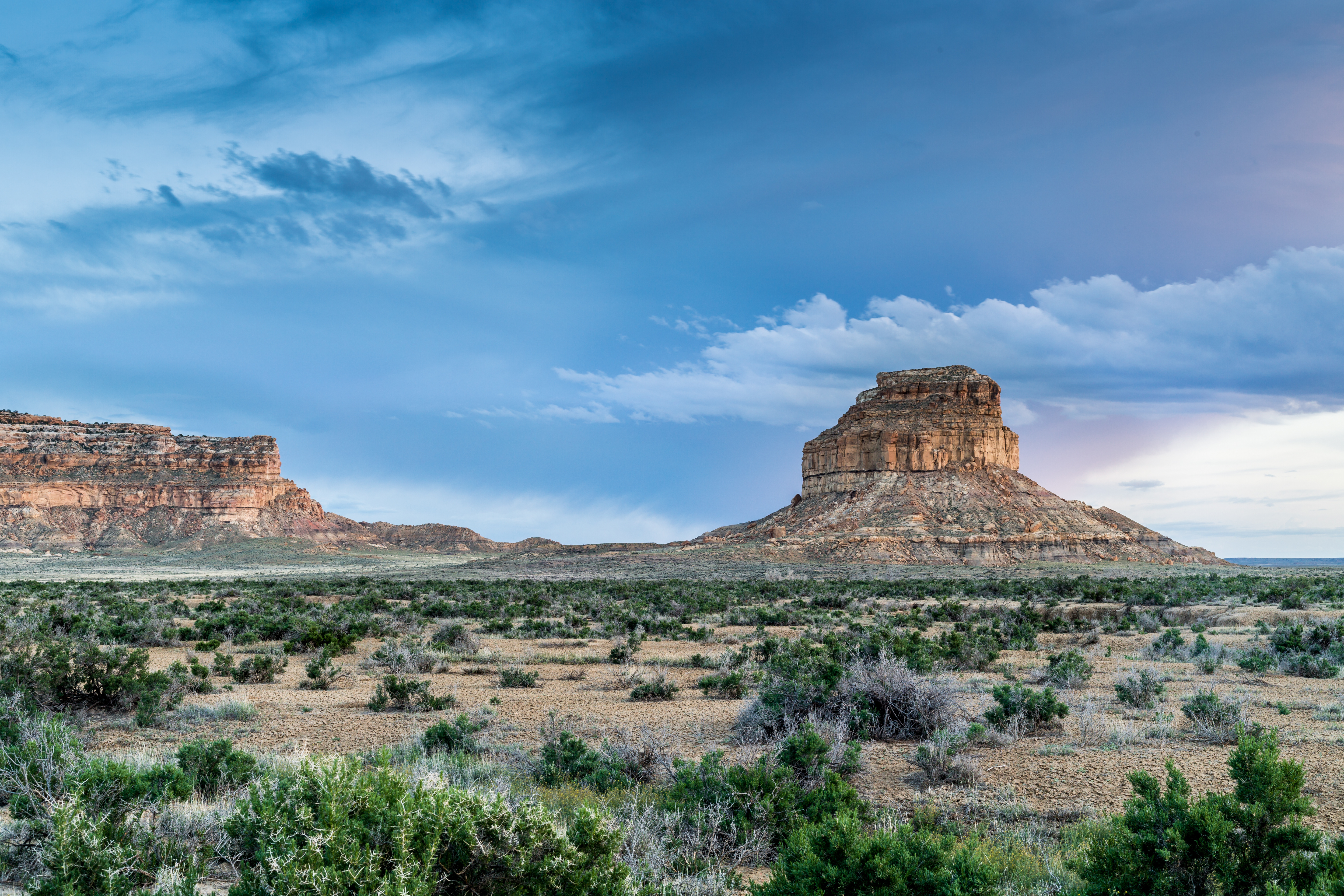
Chaco Canyon in New Mexico features the Sun Dagger, marking solstices and equinoxes with precision through light and shadow. Three large stone slabs were positioned vertically against a cliff face, and behind them, two spiral petroglyphs were carved into the rock. As sunlight passed through the gaps between the slabs, it created dagger-shaped beams of light that moved across the spirals in precise patterns. During the summer solstice, a vertical "dagger" of light pierced directly through the center of the larger spiral. During the winter solstice, Two daggers of light framed the edges of the larger spiral. During the equinoxes, a smaller dagger bisected the smaller spiral, while another passed through the edge of the larger one. The light patterns changed throughout the day and across the seasons, creating a sophisticated solar calendar.
Machu Picchu features the Intihuatana Stone (meaning "hitching post of the sun" in Quechua), a carved rock pillar that functions as a precise solar observatory. At noon on the equinoxes (March and September), the sun stands almost directly above the pillar, casting virtually no shadow. The Incas believed this stone symbolically "tied" the sun to the earth, preventing it from disappearing and other Andean sites tracked the solstice as a sacred solar event. Winter solstice alignment in June because it is in the southern hemisphere. Several structures align with the June solstice. The Temple of the Sun has a window perfectly positioned so sunlight illuminates a ceremonial rock inside only during the winter solstice sunrise. During their summer solstice (which is in December), the Intihuatana stone casts its longest shadow on the summer solstice (as opposed to almost no shadow at the equinoxes). Various windows and doorways in temples and residential buildings align with the December solstice sunrise or sunset.

These structures required immense effort and cooperation, proving just how important this day was. Long before modern religions, the solstice marked not only a seasonal shift, but a spiritual threshold—a moment when the veil between darkness and light felt thin.
Cultural Traditions Rooted in the Solstice
As civilizations evolved, solstice observances became woven into myth, ritual, and celebration.
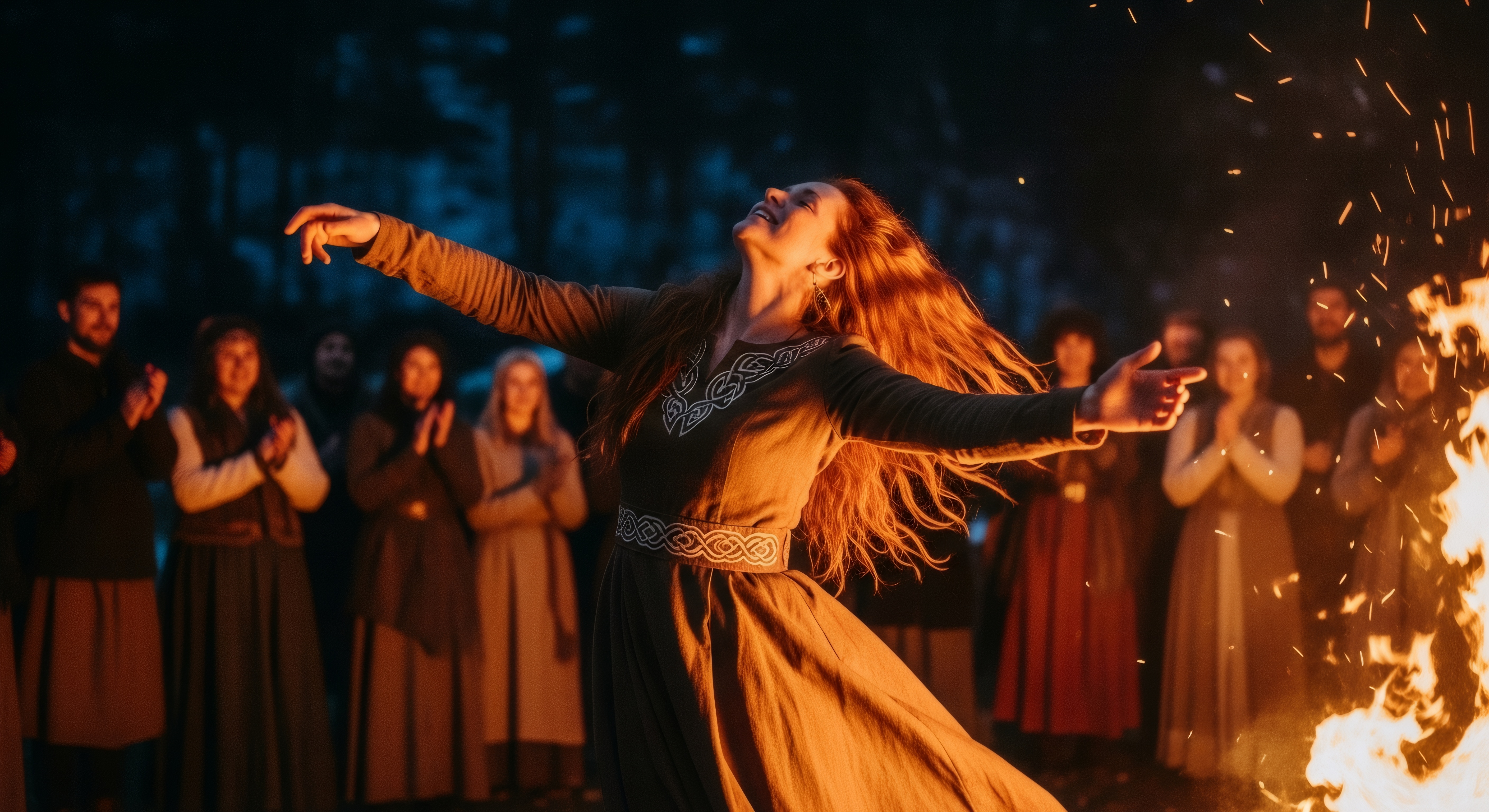
Celtic and Norse cultures celebrated Yule, lighting fires and burning the Yule log to encourage the sun's return during the twelve days when they believed the sun stood still. They wanted to welcome the rebirth of the sun. Evergreens like holly, ivy, and mistletoe were brought indoors as symbols of life enduring through winter—traditions that still exist today.
The Romans celebrated Saturnalia, a week-long festival of feasting, gift-giving, role reversals where slaves were treated as equals, and joyful celebration during the darkest days of the year
In ancient Egypt, the winter solstice symbolized the rebirth of the sun god Ra (and later Amun-Ra), with temples like Karnak aligned to capture the solstice sunrise. The celebration lasted twelve days and represented the promise of renewal and the triumph of light over darkness.

In Persia, Yalda Night (meaning "birth" in Syriac) honored the victory of light over darkness and marked the birth of Mithra, the sun god, in the ancient religion of Mithraism. This tradition dates back to at least 502 BCE and was included in the official calendar of the Achaemenid Empire.
In China, the Dongzhi Festival celebrated the winter solstice as a turning point when yin (darkness and cold) reaches its peak and begins giving way to yang (light and warmth), representing the return of balance and the promise of spring.

Across continents and cultures, the message was the same:
Darkness is not the end. It is the beginning of transformation.
The Deeper Meaning of the Darkest Day
What makes the winter solstice so powerful is not just that it brings light back—it invites us inward first.
While we can't speak definitively about what all ancient cultures "understood," the solstice celebrations we see across history—feasting during scarcity, lighting fires in darkness, bringing evergreens indoors—suggest deep symbolic meaning beyond mere survival. These weren't just practical responses to winter's hardship; they were rituals of hope, renewal, and transformation. It is a time for rest, reflection, release, and renewal.
The solstice invites us to ask:
What has completed its cycle?
What no longer serves?
What quiet truth is ready to emerge?
The rhythm is ancient: honor the darkness first, then welcome the returning light.
Why the Winter Solstice Still Matters
In our modern world, we rush past these natural thresholds. But the solstice remains an invitation—to pause, to breathe, and to trust the process of becoming.
The winter solstice reminds us that growth does not always happen in the spotlight. Sometimes, the most profound transformations occur in stillness, silence, and shadow.
And just like the sun, we are always capable of rising again.
If you feel drawn to this season, it may be because something within you is ready to shift. The light is returning—both in the world and within you.

“Love yourself first so you know what you deserve.”
Unknown




KRISLEEN JONES
CEO & Owner Of
Photography By Krisleen
Phone: (719)310-8058